
The solar industry continues to evolve rapidly, driven by innovation in manufacturing scale, advanced cell technology, and expanding supply chains worldwide. In 2025, major industry gatherings—including the Renewable Energy India Expo (REI 2025) and the High-Efficiency Solar Technologies Conference—highlighted key developments shaping the future of photovoltaic (PV) production and deployment.
Scaling Solar Manufacturing and Utility Support in India
Industry leaders at REI 2025 emphasized India’s growing solar manufacturing ecosystem, which has expanded from tens of megawatts to multi-gigawatt scale in just a short period. Experts noted that while rapid capacity growth opens opportunities across modules, cells, and balance-of-system components, reliable local support and optimized utility design are crucial for predictable operations and long-term success. Production scale of around 3–4 GW was highlighted as a typical target for balancing capital expenditure and operational efficiency. High-quality engineering of cleanrooms, compressed air, exhaust systems, and chemical handling infrastructure helps reduce operational costs and factory downtime.
Representatives from Advanced Material Solutions (AMS) also discussed the importance of specialized manufacturing support systems—such as gas and materials supply, controlled process equipment, and technical services—especially in markets that are still developing their local supply networks. The shift toward domestic production of critical inputs helps reduce reliance on imports while strengthening regional solar ecosystems.
Evolving High-Efficiency Solar Technologies
At high-efficiency solar technology forums, leading voices in the PV sector shared their perspectives on current and emerging cell technologies. While heterojunction (HJT) cells remain a promising route for premium efficiency, panel manufacturers are exploring ways to balance cost, performance, and manufacturability. Discussions underscored that technologies such as TOPCon (Tunnel Oxide Passivated Contact) continue to improve in efficiency and cost competitiveness, with potential pathways toward next-generation tandem cell architectures that could push commercial efficiencies even higher.
Panel discussions highlighted that the solar landscape is likely to feature a mix of technologies, each optimized for specific markets and applications. With back-contact and other advanced cell designs gaining traction, manufacturers are balancing R&D investment with practical deployment timelines to meet both residential and utility-scale demand.
Expanding Module Production and Integration Strategies
Multiple industry players showcased their strategies for expanding capacity and enhancing vertical integration. Executives reported scaling module production from megawatt beginnings to gigawatt-level factories, with parallel investments in cell manufacturing and materials development. Collaboration with international partners for key materials—such as silver paste for cell electrodes—illustrates the interconnected nature of global solar manufacturing and the drive toward higher efficiencies and localized production capacity.
This trend aligns with broader efforts in major solar markets to develop full PV value chains domestically, extending from raw materials to module assembly and system integration. As manufacturing ecosystems mature, localized expertise in automation, research and development, and quality control becomes a competitive advantage.
Outlook: Driving Solar Adoption with Advanced PV Products
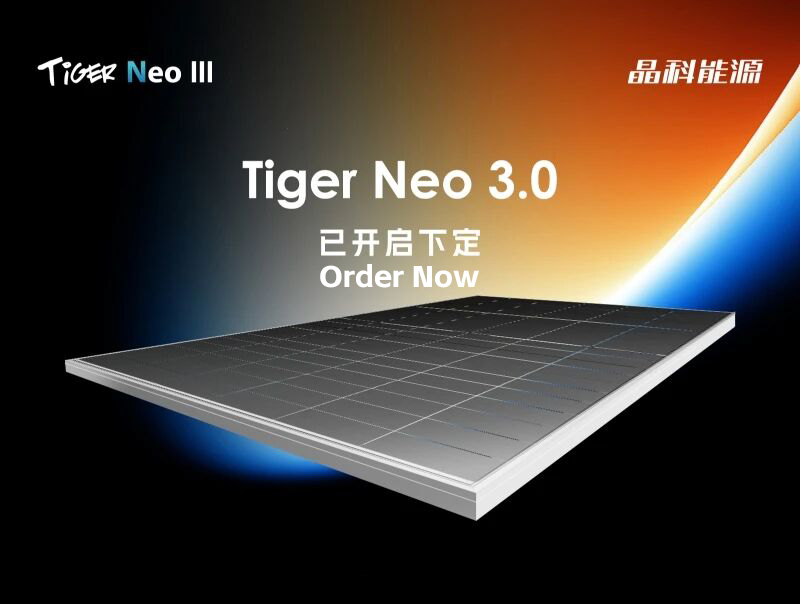
Across these industry forums, one theme remains clear: higher-efficiency solar modules and integrated energy systems will be central to achieving cost-competitive, sustainable power generation globally. Advanced modules such as JinkoSolar’s Tiger Neo 3.0 series—built on N-type TOPCon technology—exemplify this trend by offering improved conversion rates, strong low-light performance, and bifacial generation potential. These characteristics make them especially suitable for utility-scale and commercial solar installations where maximizing energy yield matters most.
By embracing advanced solar technologies and scaling manufacturing capabilities, the solar industry is positioning itself for even broader adoption in the years ahead—supporting national energy transitions, reducing carbon emissions, and enabling resilient, cost-effective clean energy systems.
→ Explore the Tiger Neo 3.0 product line on our site to discover high-efficiency solar modules tailored for global solar projects.
Post time: Jan-08-2026